Introduction
After a long day at work or college, people love to unwind. For some, it may be working out, going out with friends, or watching a movie. Personally, I like to dim the lights and delve into my favourite games. Globally, there are over 3 billion gamers. Video games are immersive, challenging, and fun. Whether I am playing Warzone or FIFA, I find it to be the perfect way to unwind.
The gaming industry is valued at over $500 billion. It is projected to grow to nearly $700 billion by 2029 (Source). With so many gamers and a valuable industry, it presents marketers with a very unique opportunity. As I have discussed in a previous article, whenever billions of eyes gather in one place, businesses follow (Source). This provides marketers with new avenues to build brands and relationships.
Difference in Traditional and In-game Marketing
In-game marketing significantly differs from traditional marketing. Players are not just viewers but are active participants. Instead of an interruption, the brand becomes a part of the experience. These placements are not forced on the players. Exceptions exist, especially in mobile games, where closing ads seems more challenging than the final boss!
Brands tend to blend in seamlessly into the experience. Gaming is highly interactive and has higher emotional engagement. This results in longer attention spans. The recall also tends to be higher as gamers are highly engaged and interact with the brand. This is what sets In-game marketing apart. Gamers can seamlessly interact with brands without the brands needing to fight for attention.
The Origins of In-game Marketing
One might think this is a relatively new phenomenon. One of the earliest instances could be dated back to 1978. The game Adventureland featured promotions of its sequel, Pirate Island. In 1984, Micro Olympics featured the first banner ads, displayed on the sides of the track. Since then, banner ads and static placements have become more common in games.

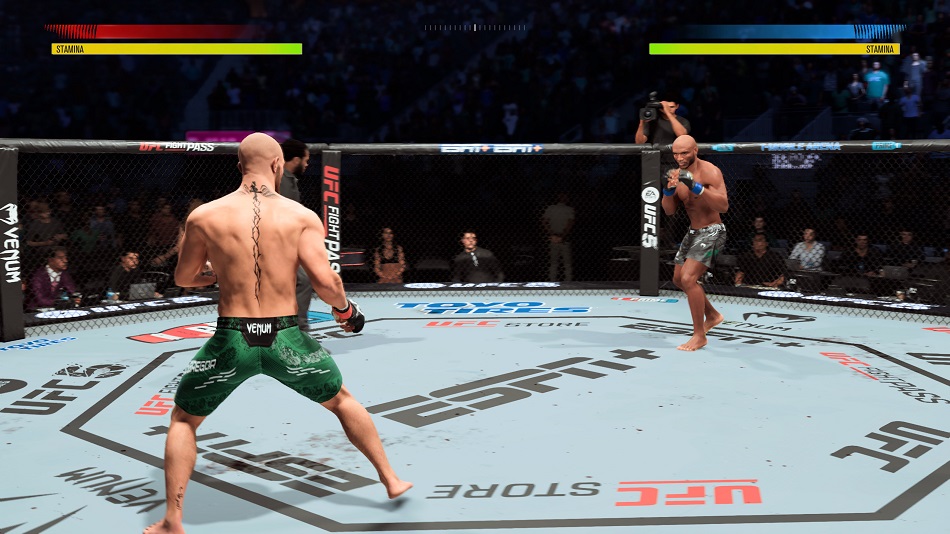
Crazy Taxi is one of the earliest and most famous examples of these static placements. It featured KFC, Pizza Hut, Levi’s, and Tower Records as real destinations. FIFA and NBA games are also great examples with sponsorships on jerseys and around the stadiums. In 2008, Barack Obama even took his campaign into video games, placing ads in 18 titles, including Need for Speed and Madden NFL, to get players to vote (Source).


From Static Ads to Immersive Experiences
These were still just passive ads and static placements. With rising computing power, we have started to witness much more interactivity. There was a shift from static billboards to playable events. From background branding to the creation of branded worlds and concerts. This has led to evolution beyond one-time placement, which allows for an entire ecosystem for brands to compete. This lets brands observe engaged users who spend hours interacting with the brand. As a result, marketing has become less about interruption and more about creating memorable, shareable experiences that extend beyond the game.
How Fortnite Redefined Brand Experiences
Fortnite is a stellar example of In-game marketing. They redefined the scale and cultural impact of in-game marketing. Fortnite is a vastly popular MMO shooting game. It has a huge community. It acts as a social hub where players can gather, interact, and experience content together. Its blend of intense gameplay, high-quality graphics, and global community creates the perfect canvas for brands and artists. Fortnite introduced experiences far beyond in-game product placements and banners.
Fortnite has hosted virtual concerts with artists like Travis Scott and Ariana Grande. There were millions of players engaged in these special events. There were also merchandise and in-game items, which a lot of players purchased. Reports say Travis Scott earned upwards of $20 million from appearing in the Fortnite concert (Source)!
Marvel also partnered with Fortnite and let players use characters like Thor and Iron Man before new movie releases, generating hype and awareness. Ferrari also collaborated with Fortnite and introduced drivable cars. This allowed gamers to experience their cars virtually on custom tracks. In Fortnite, players were no longer just seeing the brand but were living and engaging with the brand virtually.

The Future of In-game Marketing
The success of Fortnite and other such platforms raises an important question. How will in-game marketing further evolve?
I think there will be more interactivity and immersion in the future of in-game marketing. One-time events may develop into persistent, evolving experiences. Brands can create virtual worlds within games where players can engage with the brand, explore offerings, receive discounts for reaching milestones, and more. Games like Roblox and Minecraft are already experimenting with this approach. They allow brands to create their own virtual worlds for players to explore, win challenges, and keep gamers thoroughly engaged with the brand.
We can also see AI-driven characters and NPCs that adapt to players, making the marketing more personalized and dynamic. Virtual concerts, product launches, and fashion shows inside games might become a regular occurrence rather than one-off events. With more games being compatible with AR and VR, there might be a shift towards these being the norm, as they allow for a more immersive gameplay experience.
This will help marketers to create more lifelike and memorable experiences. The boundary between gaming and brand interaction will continue to blur. There will be new ways for brands to connect with highly engaged audiences in a space where traditional advertising simply cannot reach.
Naturally these innovations lead to the key question: How do we know it is truly effective?
Measuring Success
While these experiences may be subjective and intangible, their impact is anything but vague. Brands can use many metrics to measure their success.
Engagement levels with brand characters, assets, and events offer a direct indication of interest and relevance. Participation rates in challenges and quests can explain how compelling the experience is. These in-game marketing practices can lead to behavioural changes in the real world, which can be monitored. After the release of a particular event, increased sales or website views can be tracked.
For companies with e-commerce links or redeemable in-game rewards, attribution becomes even clearer, bridging the virtual and physical worlds. Brand recall studies and sentiment analysis show us that interactive placements outperform traditional ads. Finally, long-term benefits show up in community conversation, UGC creation, and social media amplification, where one in-game moment often spreads far beyond the platform itself.
Conclusion
In-game marketing has transformed into an immersive way for brands to become a part of the worlds that players love, reaching far beyond simple product placement. Fortnite proved the potency of these experiences, and early examples paved the way. With AI and virtual worlds evolving quickly, the opportunities will only grow richer and more interactive.
In my opinion these practices can be implemented over mobile games as well. The majority of Asian gamers use mobiles as their primary gaming device. With so many players bombarded by spammy ads, mobile games offer huge scope for marketers to create meaningful, value-driven experiences.
For marketers, there is a clear takeaway – whether it is PC, mobile or consoles. Brands that create meaningful experiences instead of just visibility will win attention, recall and loyalty.
Leave a Reply