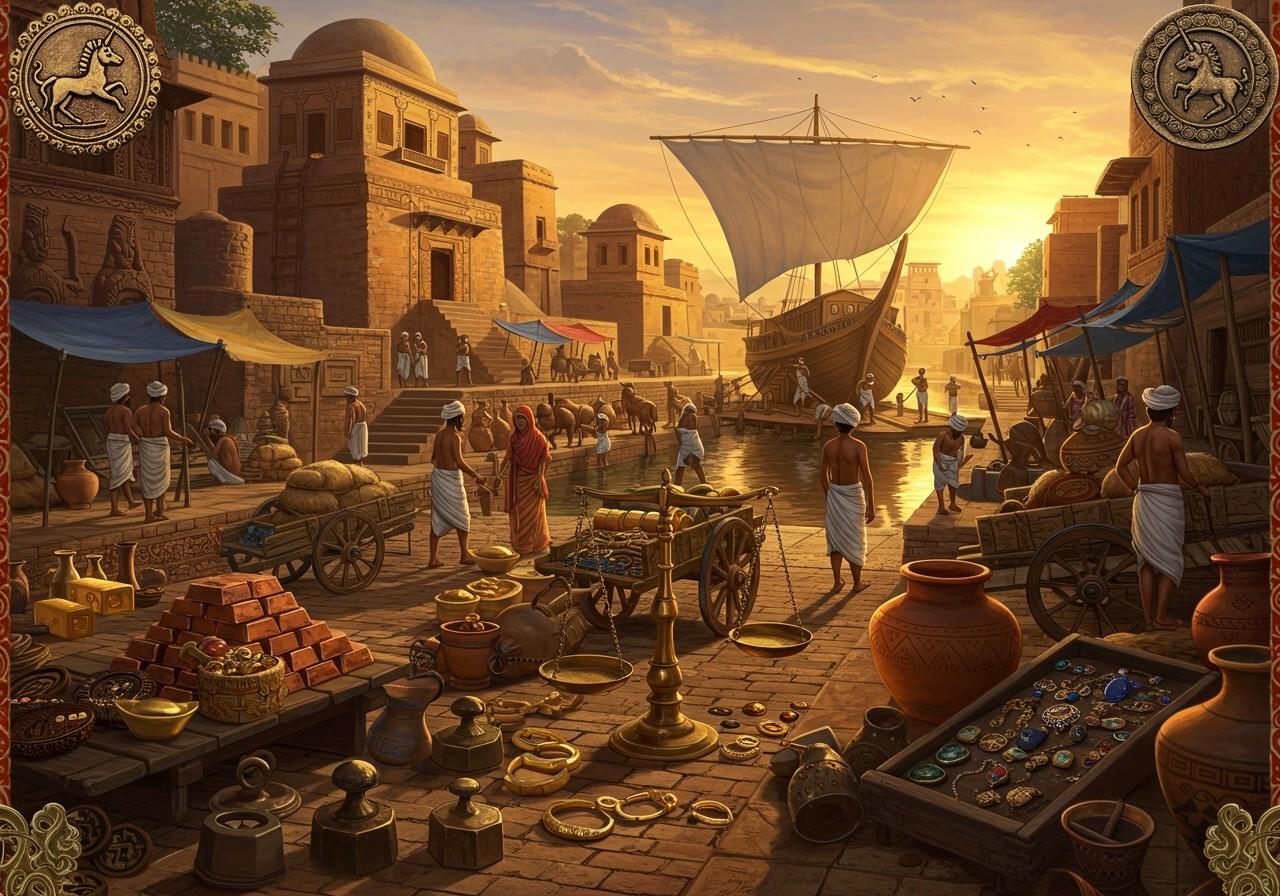
Marketing plays a huge role in our lives, probably much more than most of us realize. It is not just persuading us to purchase a product or try a new service. It influences the products we buy, the brands we trust, the trends we follow, and even the content we consume. It subtly shapes our perceptions, preferences, and even builds our aspirations. Marketing, at its core, is the art of understanding human needs, whether they are expressed or remain unspoken. It begins with recognizing what people value, desire, or struggle with, and then creating meaningful solutions that connect with those needs in a purposeful way. Marketing connects businesses with consumers, turning ideas into lifestyles, selling dreams, meeting customer needs, and much more. From a reel to billboards and even a word from a friend, they all ultimately impact how we perceive value, engage with the world around us, and make decisions. Marketing does more than just selling products; it drives cultural change. By understanding human behaviour and emotions, marketing bridges the gap between offerings and what people actually want. Ultimately, marketing is about building and shaping connections, evolving our experiences, and influencing people towards a better life.
I was pondering when people started marketing. Is it a relatively new phenomenon? What is the history of marketing? Being an avid reader of historical books, I have noticed ample examples throughout the ages and empires of marketing being applied. It may not have been termed as such back then, but they were important activities moulding the public’s perception, choices, and behaviour. Many sources mention the Print Revolution as the advent of marketing. The invention of the Gutenberg press around 1440 revolutionized the way information was communicated and disseminated. Making pamphlets, posters, and newspapers allowed businesses and other organizations to reach a much broader audience. As civilization progressed and moved towards industrialization, companies realized the need to differentiate their offerings and add more value for consumers. This brought a rise in brand elements like logos, slogans, specific color palletes, and advertising agencies to help achieve that. Marketing was recognized as a formal study in the 20th century when it was first made available as a subject at the University of Michigan in 1902. In the digital and social media age, marketing has become increasingly interactive and data-driven, with a strong focus on storytelling and personalization. While modern marketing thrives on data and technology, its core principles were set in stone thousands of years ago by some of the earliest civilizations in our history. To see these principles in action, we can look at some of the oldest civilizations in our history.
Sumerian Civilization is often considered the oldest civilization in human history. It emerged in 4500 BCE in Southern Mesopotamia. Located between the Tigris and the Euphrates rivers, Sumer paved the path for urbanization, trade systems, written language, governance, and even early forms of marketing. The Sumerians were skilled artisans renowned for their work with pottery, metalwork, jewelry, textiles, and sculptures. They used materials like gold, silver, copper, and lapis lazuli, which were gotten through trade from Europe and Asia. Their main trade items were grain, wool, oil, pottery, and textiles. They traded these for wood, metals, and precious stones. The artisans held discussions with merchants to understand new trends and what traders wanted. This helped them create merchandise that was highly sought out by traders. The artisans wanted to differentiate themselves and build their own identity, which led to the use of distinct symbols on their wares. This was effectively the first instance of the usage of brand logos. Traders often sought goods bearing specific symbols, guided by the reputation those marks carried through word-of-mouth among fellow merchants and acquaintances. Cities like Uruk served as centers of persuasion. Merchants showcased their products, held demonstrations of quality, usability, and durability. Reputation was built through storytelling and backed by quality merchandise. Cuneiform tablets were used in Sumer, which is considered to be the oldest form of written language. The tablets were often used to record transactions, trades, and contracts. After-sales tablets were often entrusted to traders who shared their experiences with others, effectively serving as an early form of referral marketing through personal endorsement and word-of-mouth. Sometimes, customers also wrote reviews in tablets and provided merchants with feedback! The first instance of a customer review was recorded on a tablet in the city of Ur. The tablet was inscribed with a letter from Nanni to Ea Nasir, complaining about the quality of copper. This tablet dates back to 1750 BCE and is now housed in the British Museum. Essentially, Sumerians had captured the essence of marketing, understanding customer needs, building valuable goods, building a brand identity, differentiating themselves from competition, and most importantly, building trust and relationships. Their efforts to understand the customer, use recognizable symbols, and build a reputation reflect some of the main principles driving marketers today.
The Indus Valley Civilization spanned across regions of modern-day India and Pakistan. It is believed to have been established around 3300 BCE. It had notable cities like Lothal, Harappa, and Mohenjo-Daro. These cities have showcased robust organization, standardized production, and an extensive trade network. Indus people were skilled artisans who were adept at craftsmanship and mass production. Pottery, beads, jewelry, and metal goods were all made with precision at a large scale. The civilization was also known for the use of standardized weights and measurement systems. The Indus Valley Civilization possessed a highly developed agricultural system. It was complemented by evidence of an active trade in spices and aromatics. Archaeobotanical findings indicate the use and exchange of turmeric, ginger, garlic, sesame seeds, cardamom, and black pepper. These commodities were regarded as luxury goods of significant value, prized for their culinary, medicinal, and ritual uses. Their desirability extended well beyond the subcontinent—Mesopotamian records document the import of substantial quantities of aromatics and spices from the Indus region, underscoring its role as an early hub of international trade and cultural exchange, and hinting at the sophisticated commercial awareness that underpinned early marketing practices. Indus Valley merchants and artisans marked their wares with symbols for easy identification and differentiation. In archaeological excavations, many seals made of soapstone have been discovered. These were adorned with animal motifs, symbols, and short phrases. Some of these seals have clay residue suggesting that they were pressed onto packages to showcase authenticity and evidence against tampering. This showcases a deep understanding of customer satisfaction and trust-building. In the cities, there were large open areas and plazas for trading and displaying merchandise. With exotic spices being a new delight for many foriegners, they were marketed heavily by merchants. Dishes were prepared with thoughtfully selected spices to demonstrate their ability to enhance flavor and aroma, while samples were shared to engage potential buyers through direct experience. Archaeological evidence also points to tablets referencing the medicinal properties of various spices, highlighting their multifaceted value. This interactive and sensory approach to trade not only showcased product benefits but also fostered emotional connection and trust—an early example of experiential marketing that encouraged consumers to embrace new goods. The Indus Valley Civilization demonstrates the foundational principles of marketing through emphasis on experiences, branding, standardization, quality assurance, and trust. The sophisticated trade systems, symbolic seals, and experiential selling practices reveal a profound understanding of communication, differentiation, and consumer engagement, proving that the essence of marketing has been integral to human civilization since its very beginnings.
There are countless other examples of such practices in other civilizations as well. From the use of papyrus scrolls in ancient Egypt to the use of promotional wall paintings in ancient Greece, marketing has been ingrained in our society long before the term was formally defined.
From the bustling markets in Harappa to today’s digital marketplaces, marketing has always been about trust, relationships, connections, and storytelling. Marketing has evolved with lots of new concepts and tools, but at its heart, it remains the same- a deep understanding of people, building trust, communicating value, and shaping choices. Principles like differentiation, brand identity, credibility, and customer engagement still drive marketers today. From stone tablets to social media posts, history reminds us that tools may change, but the human desire to connect, build relationships, and persuade endures.

Leave a Reply